Add Row
Add Element
Add Element
Orlando Healthy Living
UPDATE
  • Home
  • Categories
    • Medical Innovations
    • Health & Tourism
    • Florida Wellness Tips
    • Health Professionals Spotlight
    • Seasonal Health Guides
    • Florida News
    • Healthy LIving
    • Florida Travel
    • Orlando News
    • Featured
    • Extra News
Add Element
July 15.2025
1 Minute Read

How Wearable Technology is Changing Personal Health Tracking

Did you know that over 100 million people worldwide now use wearable health technology to monitor their daily activity and vital signs? This rapid growth illustrates how these devices have completely transformed personal health tracking, empowering users with real-time, actionable data. From managing fitness goals to enhancing mental wellness, wearable health technology is a cornerstone in the modern wellness journey.

Startling Facts About Wearable Health Technology
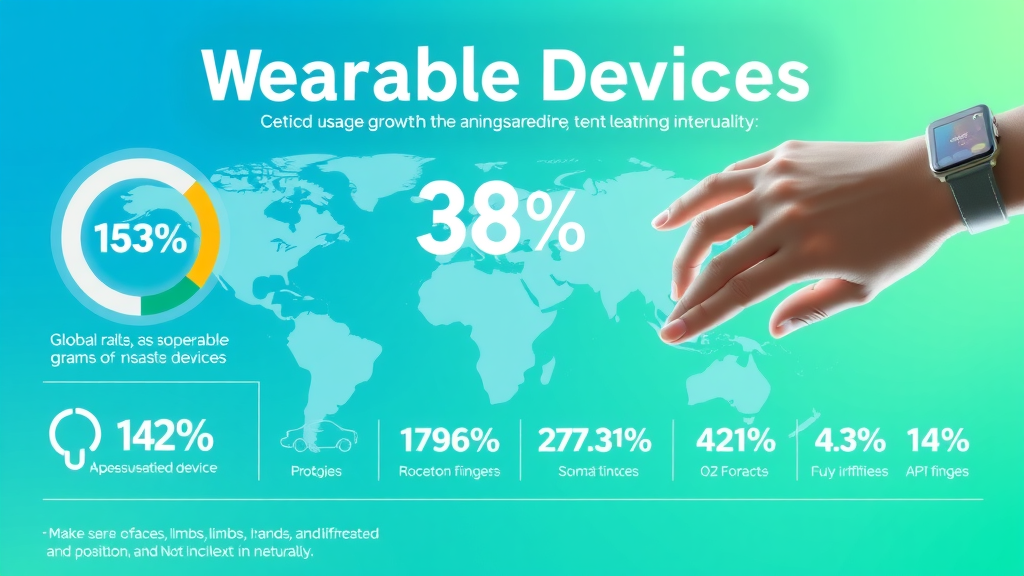
Wearable health technology infographic showing global growth and types of devices

The wearable health technology market has seen unprecedented expansion over the last decade. Statistics indicate a surge not just in usage but also in the versatility of devices available. These gadgets, ranging from simple fitness trackers to advanced ECG monitors, are instrumental in bridging the gap between patients and providers. Globally, the integration of these devices into healthcare ecosystems is enhancing personalized medicine and preventive care, while users enjoy unprecedented insight into their own health.

What You'll Learn About Wearable Health Technology

  • Key benefits of wearable health technology in monitoring vital signs and fitness
  • Top types of wearable devices transforming health tech
  • How wearable technology integrates with patient care and medical devices
  • Privacy and security considerations in wearable health technology
  • Expert insights from Morgan Rogers on wearable tech's impact on wellness

1. Understanding Wearable Health Technology: Definitions and Scope

Healthcare provider explaining wearable health technology to patient

What is Wearable Technology in Healthcare?

Wearable health technology refers to electronic devices worn on the body that continuously track health-related data. These devices provide users and healthcare professionals with immediate access to metrics such as heart rate, physical activity levels, sleep quality, and even blood glucose. Morgan Rogers, a licensed therapist and mental health advocate, explains, “Wearable devices that track physical activity, heart rate, and sleep patterns have made health monitoring more accessible and engaging than ever before.” This accessibility is pivotal in motivating individuals to adopt healthier lifestyles and helps clinicians to customize treatment plans with up-to-date data.

Examples of Wearable Health Devices

Device Type Function Health Metrics Monitored
Fitness Tracker Tracks steps, calories, and activity Steps, Heart Rate, Calories
Smartwatch Monitors heart rate, ECG, notifications Heart Rate, ECG, Sleep
Glucose Monitor Measures blood sugar levels Blood Glucose
ECG Device Records heart electrical activity ECG

2. Top 4 Wearable Technologies Revolutionizing Health Monitoring

People wearing various wearable health technology devices outdoors

Fitness Trackers and Smartwatches

Fitness trackers and smartwatches remain the most widely adopted forms of wearable health technology . These devices track movement, heart rate, calories burned, and even sleep stages, providing insights that motivate users to improve their fitness routines. The intuitive interfaces and seamless smartphone integration allow users to maintain lifestyle changes and set personalized goals. Furthermore, many smartwatches include advanced features such as ECG monitoring, which can detect irregular heart rhythms, making them invaluable both for wellness and early detection of potential health issues.

Medical Devices for Patient Monitoring

Elderly patient using wireless remote health monitor with healthcare professional

Beyond consumer gadgets, medical-grade devices designed for continuous patient monitoring are revolutionizing chronic disease management. Wireless remote health monitors enable elderly or chronically ill patients to transmit vital data such as ECG readings and blood pressure directly to their healthcare providers. This real-time data allows for timely interventions and reduces hospital readmissions. Morgan Rogers Therapy embraces these technologies to enhance patient engagement and improve overall outcomes by fostering active participation in health management protocols.

Mood and Mental Health Tracking Apps
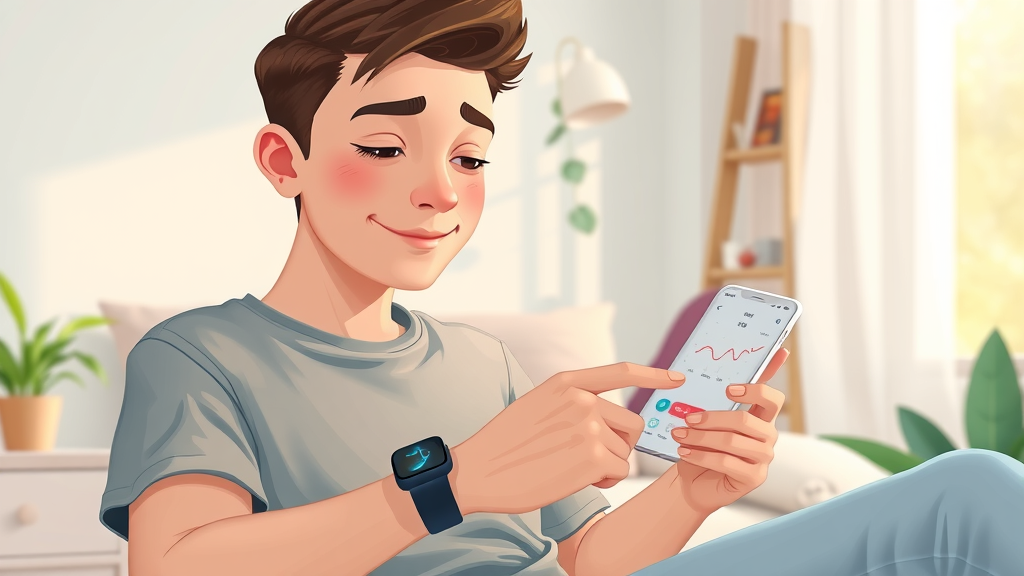
Young adult using wearable health technology with mood tracking app

Wearable technology also extends into mental health, utilizing apps that track mood fluctuations, stress levels, and sleep quality. These tools support users in identifying patterns and triggers related to their emotional well-being. Combined with traditional therapy, such as teletherapy sessions recommended by therapists like Morgan Rogers, these apps help create data-driven, personalized mental health care plans. Users can monitor progress daily and share insights with clinicians to refine treatment strategies, ultimately offering a holistic approach to wellness.

Sleep Monitoring Devices

Person sleeping peacefully while wearing sleep monitoring wearable

Sleep quality is a vital but often overlooked pillar of health. Sleep monitoring devices worn as wristbands or embedded in bedding track metrics such as sleep duration, stages, and disturbances. By leveraging wearable health technology , users gain deeper understanding of their sleep hygiene. This data empowers individuals to adjust habits that impact restorative rest, contributing to improved cognitive function, mood balance, and physical health. Such tracking is essential for people managing conditions like insomnia or sleep apnea, complementing medical advice.

3. Benefits of Wearable Health Technology in Personal Health Tracking

Real-Time Health Monitoring and Data Collection

The hallmark of wearable health technology is the ability to collect and transmit real-time health data seamlessly. This immediacy helps users recognize patterns and make informed decisions to improve daily habits. For clinicians, continuous data streams allow for dynamic health management, enabling prompt interventions and personalized treatment adjustments. As Morgan Rogers highlights, this real-time feedback loop makes health monitoring “more accessible and engaging than ever before,” shifting the focus from reactive to preventive care.

Improved Patient Care and Engagement

Wearable devices foster greater patient engagement by providing individuals with tangible data about their health journeys. Healthcare providers can leverage this data to collaborate more effectively with patients, enhancing adherence to treatment protocols and encouraging proactive wellness practices. Patients feel empowered when they witness measurable improvements, strengthening motivation. Technologies such as teletherapy and remote monitoring support this engagement, breaking down barriers to consistent care and improving therapeutic relationships.

Encouragement of Healthy Lifestyle Habits
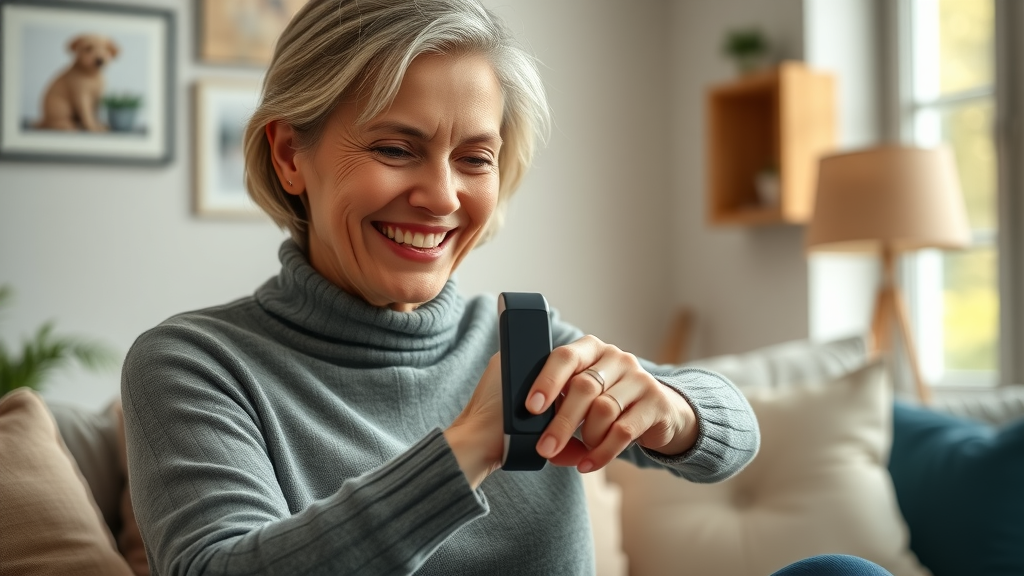
Happy woman using smartwatch for health tracking

By visualizing progress, wearable health technology motivates users to sustain healthy behaviors such as exercise, better sleep, and stress management. Receiving reminders, badges, and personalized insights transforms wellness into an approachable, rewarding endeavor. This gamification aspect enhances long-term adherence. As Morgan Rogers advises, leveraging these tools can help build habits that contribute to overall wellbeing while preventing burnout by setting realistic goals and focusing on manageable improvements.

4. Addressing Privacy Concerns in Wearable Health Technology

Padlock symbolizing data security in wearable health technology

Data Encryption and Security Measures

Privacy is a paramount concern with the proliferation of wearable health technology . Data encryption protocols safeguard sensitive information during transmission and storage, protecting users from unauthorized access and hacking attempts. Leading telehealth and device manufacturers adhere to rigorous security frameworks aligned with industry standards such as HIPAA. Morgan Rogers emphasizes the importance of selecting trusted technologies that prioritize robust encryption and compliance to maintain user confidence while delivering digital care.

Informed Consent and Transparency

Users must be fully informed about how their health data is collected, accessed, and utilized. Transparent privacy policies and clear informed consent processes are crucial, enabling individuals to understand and control their personal information. This transparency fosters trust between users and providers, ensuring ethical usage of data for health monitoring, treatment adjustments, or research without compromising confidentiality.

Best Practices for Users

Experts recommend that users regularly update device software, use strong passwords, and review privacy settings to enhance security. Avoiding public Wi-Fi networks for transmitting sensitive data and being cautious with third-party app permissions also strengthen safeguards. Staying informed about the technology’s data practices and communicating openly with healthcare providers help users take full advantage of wearable health technology responsibly and safely.

5. How to Get Started with Wearable Health Technology

  • Start with a simple fitness tracker or meditation app
  • Monitor your sleep and activity data regularly
  • Consult with healthcare providers about compatible wearable devices
  • Set realistic goals to avoid overwhelm
  • Adjust tools based on what improves your wellbeing
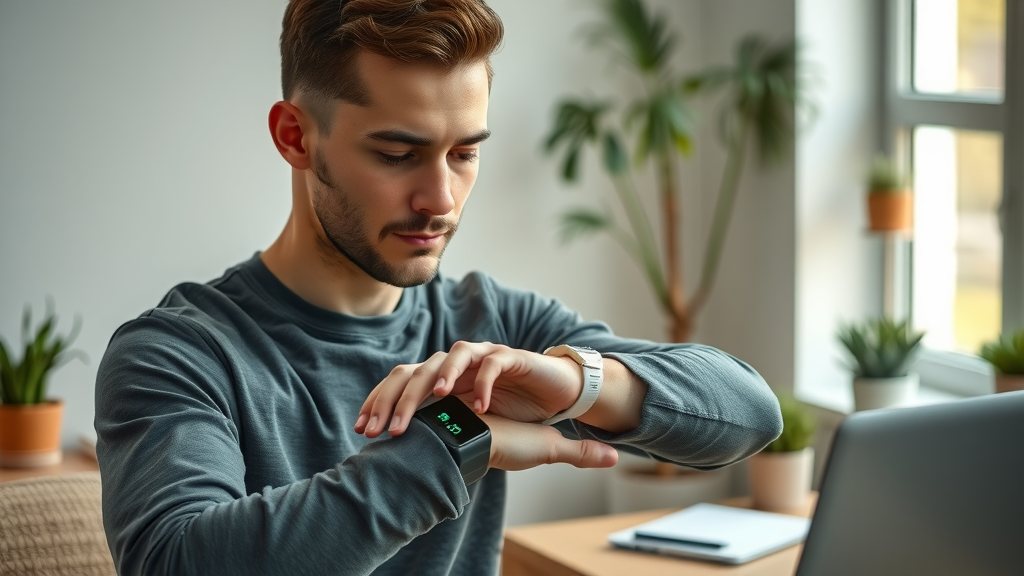
Young man confidently setting up a new fitness tracker

For those new to wearable health technology , simplicity is key. Beginning with a basic fitness tracker or a meditation app allows one to gradually familiarize themselves with data collection and wellness integration. Regularly checking progress helps uncover insights into personal habits. Collaboration with healthcare professionals can guide selection of devices that align with individual health needs. Remember Morgan Rogers’ advice: “Pick something that fits your lifestyle and comfort level… Technology should simplify your path to better health, not complicate it.”

People Also Ask About Wearable Health Technology

What is wearable technology in healthcare?

Wearable health technology comprises devices worn on the body that monitor health metrics continuously, providing crucial data for fitness, chronic disease management, and mental health support.

What are the 4 wearable technologies?

The four primary types include fitness trackers, smartwatches, medical monitoring devices (like glucose monitors), and mental health tracking apps, each fulfilling unique roles in health management.
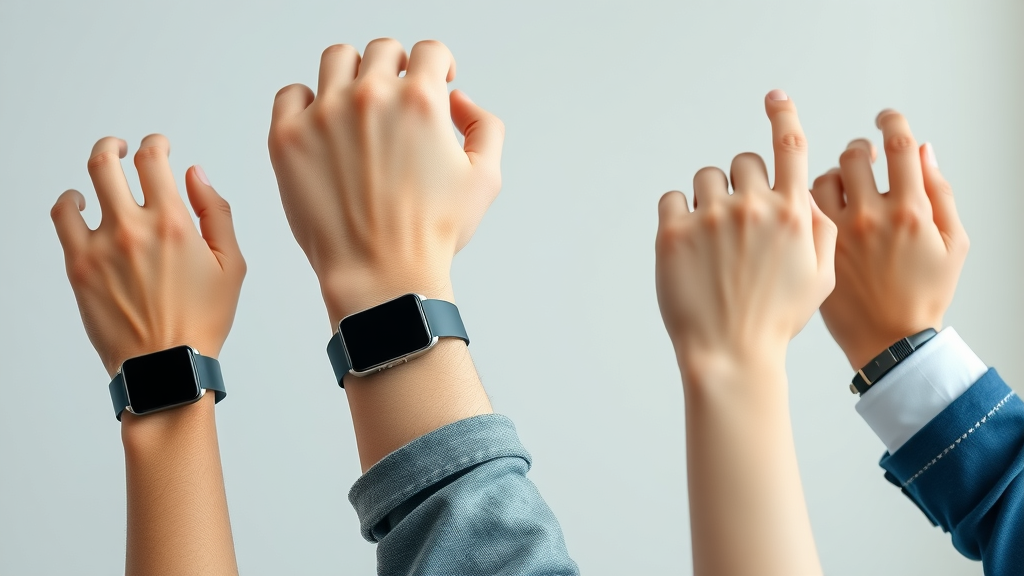
Side-by-side comparison of four wearable health technology devices

What is the best wearable technology for health monitoring?

The best device depends on individual needs; however, smartwatches with comprehensive sensors often provide versatile monitoring capabilities, combining fitness, cardiac, and sleep tracking.

What are examples of wearable health devices?

Examples include Fitbit fitness trackers, Apple Watch smartwatches, continuous glucose monitors for diabetic patients, and mood-tracking mental health apps.

Key Takeaways on Wearable Health Technology

  • Wearable health technology offers real-time, personalized health data that empowers users.
  • Integration with medical devices and apps enhances patient care and mental health support.
  • Privacy and security are critical and require informed choices by users and providers.
  • Starting simple and focusing on personal goals prevents overwhelm and promotes sustained use.
  • Expert insights highlight the transformative potential of wearable tech in wellness journeys.

Conclusion: Embracing Wearable Health Technology for a Healthier Future

Group of adults collaboratively discussing wearable health technology in a modern workspace

Wearable health technology has indelibly changed how individuals approach their wellness. Offering personalized, real-time insights into physical and mental health, these devices empower users and providers alike. As Morgan Rogers, of Morgan Rogers Therapy, aptly puts it, the fusion of technology and therapy creates unprecedented opportunities to enhance engagement and outcomes. By embracing this digital transformation mindfully and securely, we pave the way towards healthier, smarter personal health management for everyone. The future of wellness is wearable—and it’s brighter than ever.

Take the Next Step with Wearable Health Technology

Ready to improve your health tracking? Explore simple wearable devices or apps today, set achievable wellness goals, and consider integrating telehealth options to maximize your health insights. Start your wearable tech journey now and experience the power of personalized health data!

Featured

Write A Comment

*
*
Related Posts All Posts
11.22.2025

Transforming Traditions: The Modern Guide to Memorable Proposals

Update The Evolution of Proposals in 2025 Proposals have undergone a remarkable transformation in recent years. No longer are couples bound by rigid traditions and expectations; today's engagements are vibrant expressions of personal love stories. The journey of saying 'yes' is now a celebration of each couple's unique relationship, allowing for authenticity over ceremony. This trend emphasizes that the most meaningful proposals are born from the relationship's shared experiences and intimate details. Personalized Proposals: Making Each Moment Unique As couples seek to reflect their personalities in their proposals, innovation shines through in many forms. For instance, some may find joy in quiet, private settings reminiscent of cherished memories, while adventure lovers may thrive in breathtaking places, such as a mountaintop in Australia or during a beach bonfire. The essence lies in crafting a moment that embodies the relationship itself, rather than adhering to a predefined template. Traditional settings like romantic dinners have given way to diverse and imaginative alternatives that represent who the couple truly is. Details Matter: Remembering the Significance In the art of proposing, it's the little things that often leave the largest impact. Is there a favorite book that played a significant role in their relationship? A museum featuring an artist they both adore? Incorporating these nuanced details can elevate a proposal from merely a question to a celebration of their journey. Trend forecasts for 2025 reflect a growing interest in personalized items such as custom rings and sentimental gestures that speak volumes about the bond shared by the couple. Timing Is Everything: Choosing the Right Moment It’s essential to remember that the best proposals often happen when least expected. The surprise element can suggest sincerity and spontaneity, turning everyday moments into magical memories. Whether it's a quiet weekend getaway or a bustling family gathering, these authentic moments form the core of why the proposal, when done right, becomes an unforgettable memory. Creativity as a Driving Force Creative approaches to proposals have gained momentum, allowing couples to prioritize their interests and passions. Consider unforgettable ideas like proposing during a personalized performance, amid a thrilling travel adventure, or even crafting a scavenger hunt that encompasses significant locations in their relationship. Exciting trends are emerging for 2025, ranging from tech-enhanced proposals, such as incorporating a custom game or augmented reality experiences, to intimate sessions showcasing heartfelt sentiments through art or music. Choosing the Perfect Engagement Ring Choosing the right engagement ring is a celebration in itself, representing the essence of the couple's relationship. Sustainable options like vintage rings are increasingly popular, reflecting a commitment to both romantic and ethical values. Custom designs are also trending, allowing for rings that encapsulate each partner’s distinct style and the essence of their love story. Whether opting for a classic solitaire or a unique gemstone, the focus is on what resonates with both individuals. A Look Ahead: Engagement Trends in 2025 The proposals we see in 2025 are expected to embrace individuality and creativity further. As more couples strive to express their love through personalized experiences, we might see an increase in unexpected, meaningful proposals that surprise not only the partner but also the onlookers. Think of proposals that double as community events, where family and friends can engage in the moment, or intimate gatherings that celebrate their shared journey instead of a solo spectacle. Final Thoughts: Celebrating Your Unique Story Ultimately, the perfect proposal is about narrative and emotions rather than rigid formats or expectations. As couples explore what truly aligns with their story, they find opportunities to craft heartfelt moments that celebrate their relationships. Each proposal encapsulated the essence of love, creativity, and commitment, reminding us that while traditions are cherished, love is beautifully modern and dynamic. Are you inspired to create your personalized proposal story? Think about your journey, your favorite moments, and how you can weave those delightful details into a moment that will last a lifetime. No matter how grand or modest the approach, the most important aspect is that it reflects you both.

11.08.2025

Car Accident in Oregon: Essential Steps You Must Follow

Update Your Guide to Navigating the Aftermath of a Car Accident in Oregon A serious car accident can turn your world around in an instant. One moment you're driving, and the next you're faced with a wave of uncertainty regarding your health, your vehicle, and what steps to take next. Knowing how to respond in those crucial moments after an accident can make a significant difference in both your physical well-being and your financial recovery. Immediate Safety First: What to Do Right After the Crash Your priority following an accident should always be safety. If the accident results in injuries or damages that threaten additional safety, it is vital to begin by evaluating your surroundings: Move Safely: If you can safely move your vehicle to the side of the road, do so to prevent further accidents. Turn on your hazard lights and, if possible, set up flares or warning triangles. Call 911: Always report the incident, regardless of its severity. Inform the dispatcher about any injuries to ensure the necessary medical assistance is dispatched. Do Not Leave: Unless you are in imminent danger, remain at the scene of the accident until the police arrive. Gathering Essential Information Once your safety is assured, shift your attention to collecting important information about the accident. This data can be essential for insurance claims and any potential legal actions: Exchange Details: Ensure you obtain the other driver's name, contact information, driver's license number, license plate number, and insurance information. Document Conditions: Take photographs of vehicle damages, road conditions, weather, and the location of the accident. This evidence can be crucial when explaining the circumstances to your insurance provider or a legal representative. Witness Accounts: If there were independent witnesses to the accident, collect their contact information. Their accounts could provide valuable insight into the accident's details. The Importance of Medical Attention Even if you feel fine, seeking medical evaluation after a car accident is essential. Many injuries can manifest hours or even days later. A content analysis of traffic-related injuries reveals that concussions and whiplash often go undetected immediately after an incident: Create a Medical Record: Visit a doctor even if you believe you are unharmed. This establishes a medical record of your condition, which is vital for insurance claims. Monitor Symptoms: Keep an eye on any emerging symptoms and report them without delay. Notify Your Insurance Company Promptly As Oregon operates under an at-fault insurance system, notifying your insurance company as soon as possible is crucial: Be Factual: Stick to the facts when describing the accident. Speculative statements can complicate your claim. Provide Documentation: Share collected information, photos, and witness details as soon as you contact your insurance company to ensure a smoother claims process. Understanding Your Rights if the Other Driver is Impaired If you suspect that the other driver was under the influence at the time of the accident, communicating this to law enforcement is critical. A report will document these findings, which could impact any legal consequences. In situations involving impaired drivers, victims may have additional avenues for compensation, including punitive damage recovery. Considering Legal Help: When to Consult an Attorney Considering the complexities of insurance claims and potential legal disputes, it is often wise to consult a personal injury attorney after a serious accident: Complex Cases: You should seek legal advice if injuries are severe or if liability is disputed. Negotiation Help: Attorneys are accustomed to dealing with insurance companies and can ensure you receive fair compensation. Filing a DMV Report After the Accident In Oregon, it is legally required to file an Oregon Traffic Accident and Insurance Report with the DMV within 72 hours of an accident that results in injuries or property damage exceeding $2,500. Common Errors: Many drivers overlook the need to file at the DMV, putting their driving privileges at risk. Create Your Own Records: Keep a copy of all documents and submit any required paperwork promptly. Final Takeaways Car accidents can be overwhelming, but knowing what steps to take immediately following an incident can protect your health and rights. Always prioritize safety, gather thorough documentation, seek medical attention, and consider contacting an attorney if needed. These initial steps can make a significant difference in your ability to navigate the aftermath of a serious collision in Oregon. Prepare yourself with the knowledge and strategies necessary for handling a car accident effectively. Understanding your legal and medical rights can empower you to recover not only physically but also financially.

10.15.2025

Managing Menopause: How to Address Weight, Sleep, and Mood Changes

Update Understanding the Menopausal Transition: More than Just HormonesAs women approach menopause, they often feel the effects of this significant life change in their daily lives. While it’s easy to think of menopause primarily in terms of hot flashes, it encompasses a broader spectrum of physical and emotional shifts. The decrease in key hormones, such as estrogen and progesterone, can lead to weight gain, sleep disturbances, and mood fluctuations—symptoms that many perceive as a loss of control over their bodies.The Weight Gain Mystery: What Happens During Menopause?Around the time of menopause, many women experience an increase in body weight, particularly around the abdomen, often referred to as “menopause belly.” This phenomenon is largely driven by hormonal changes that alter how fat is stored and how efficiently the body burns calories. When estrogen levels decline, the body retains fat in a different way, leading to frustrating weight changes even in those maintaining their regular diet and exercise routine. As highlighted by Dr. Monica Christmas, a gynecologist at the University of Chicago Medicine, the rapidness of this weight gain can be shocking for many women, creating feelings of distress and helplessness.Sleep Disruptions: The Hidden Cost of Hormonal ChangesAlongside weight gain, disrupted sleep is a common complaint during menopause. Hot flashes and night sweats can lead to fragmented sleep patterns, leaving many women waking up tired and feeling unrefreshed. Dr. Christmas notes that these sleep issues are connected to decreased progesterone production, which plays a vital role in promoting restorative sleep. Understanding this connection can empower women to seek targeted interventions to improve their sleep quality throughout this transition.Mood Changes: The Emotional TollThe hormonal shifts during menopause can also take a significant toll on mood. Estrogen is crucial for the regulation of serotonin, a neurotransmitter responsible for emotional stability. With fluctuating estrogen levels, some women may experience heightened irritability, anxiety, or feelings of sadness. Recognizing that these emotional shifts are rooted in biological changes is the first step towards addressing them effectively. For instance, engaging in a routine that incorporates both physical activity and attention to nutrition can foster a sense of stability during this tumultuous time.Your Action Plan: Regaining Control Over Your BodyThough the challenges posed by menopause can be daunting, the good news is that there are effective strategies for managing these changes. Emphasizing a balanced diet, such as adopting the Mediterranean diet, can help control weight and improve overall health. Dr. Christmas recommends focusing on whole, nutrient-rich foods while reducing processed sugars and unhealthy fats. In conjunction with dietary adjustments, regular physical activity—especially activities that build strength and endurance—can help counteract some of the physical changes associated with menopause. Strategic exercises, such as Pilates or yoga, not only strengthen the body but also improve mental clarity and emotional resilience.Understanding Hormone Therapy: Pros and ConsMany women turn to hormone therapy in hopes of alleviating their menopausal symptoms. It is essential to approach hormone therapy with informed caution: while it can alleviate certain symptoms effectively, it’s crucial to understand that it does not prevent weight gain nor guarantees improvements in all aspects of menopausal symptoms. Consulting with healthcare providers about the benefits and risks can help create an individualized approach that considers both hormonal therapy and lifestyle changes.Moving Forward: Breaking the CycleTo navigate the menopausal transition successfully, women must embrace a multifaceted approach. This includes prioritizing health through diet and exercise, seeking support from healthcare professionals, and being aware of the biological factors at play. By fully understanding the processes behind weight shifts, mood changes, and sleep disturbances, women can regain agency over their bodies. Remember, menopause signifies a transformative phase in life but does not mean surrendering to discomfort.Take Control of Your Health Today!If you’re feeling overwhelmed by the changes associated with menopause, it’s time to take proactive steps. Personalized consultations can aid in developing a tailored health plan that aligns with your unique needs. Set an appointment with health professionals who specialize in menopause management and embark on a journey towards reclaiming your well-being. Don’t let menopause define your health; embrace this change with knowledge and support.

Terms of Service

Privacy Policy

Core Modal Title

Sorry, no results found

You Might Find These Articles Interesting

T
Please Check Your Email
We Will Be Following Up Shortly
*
*
*